Web app

Open Interpreter
Open Interpreter is an open-source coding agent that runs in the terminal. It is designed for low-cost and open-weight models, with model-specific harnesses and OS-level sandboxing.
- Platform
- Web app
- Categories
- AI Code Assistant, AI Developer Tools, AI Code Generator
- Indexed
- 2024-02-19
About Open Interpreter
What is Open Interpreter
Open Interpreter is a coding agent that lives in your terminal. It is open source under the Apache 2.0 License and is a fork of Codex, keeping the Codex terminal surface while being provider agnostic. It is optimized for low-cost and open-weight models, shipping model-specific harnesses for Kimi, Qwen, DeepSeek, and other open models. The agent loop is shaped around what each model is actually good at, not flattened into one generic interface.
Key features
Open Interpreter is sandboxed by default, editing files and running commands inside an OS-level sandbox on macOS, Linux, and Windows. Reads, writes, and network are gated, and anything outside the workspace needs explicit approval. It inherits your existing agent setup as a fork of Codex, including AGENTS.md instructions, skills, MCP servers, and project configuration. It supports multiple sessions via terminal tabs, with commands like /resume, /fork, or /side.
Use cases
Open Interpreter can read files, edit code, run commands, and ask before escalating beyond the current sandbox. It is suitable for developers who want a terminal-based coding agent that works with low-cost models. It supports various providers including OpenAI, Amazon Bedrock, Ollama, LM Studio, Anthropic, OpenRouter, DeepSeek, Moonshot/Kimi, Z.ai, Alibaba/Qwen, Groq, and others. Custom providers can use Responses-compatible, OpenAI-compatible chat, or Anthropic Messages-compatible wire APIs.
Pricing
Open Interpreter is open source and free to use. You can bring your own API key for providers, and requests go directly from your device to that provider. If you use hosted models, requests are routed through Open Interpreter's servers and logged for up to 30 days. There is no mention of paid plans on the page.
Questions
Open Interpreter FAQ
- What is Open Interpreter?
- Open Interpreter is an AI tool available as a web app in the AI Code Assistant, AI Developer Tools, AI Code Generator categories. Open Interpreter is an open-source coding agent that runs in the terminal. It is designed for low-cost and open-weight models, with model-specific harnesses and OS-level sandboxing.
- What is Open Interpreter used for?
- Open Interpreter is filed under AI Code Assistant, AI Developer Tools, AI Code Generator in the AITOOLIST index. Open Interpreter is an open-source coding agent that runs in the terminal. It is designed for low-cost and open-weight models, with model-specific harnesses and OS-level sandboxing.
- Is Open Interpreter a web app, an extension or a native app?
- Open Interpreter is a web app.
Listed in the AITOOLIST index since 2024-02-19.
Related
Tools similar to Open Interpreter

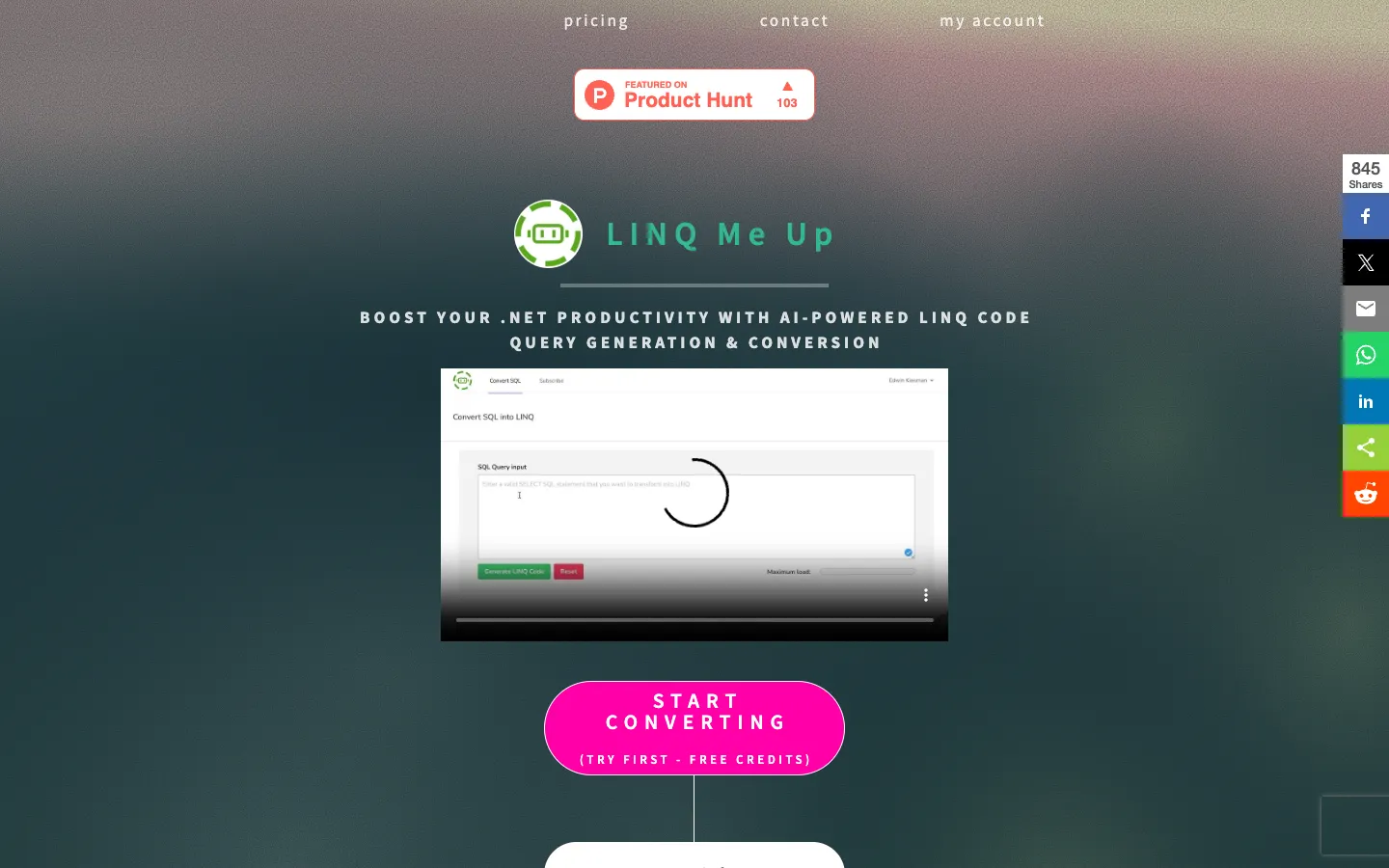
LINQ Me Up is an AI-powered tool that converts SQL queries to LINQ and LINQ to SQL, and generates LINQ from datasets. It supports C# and Visual Basic, and both method and query syntax.
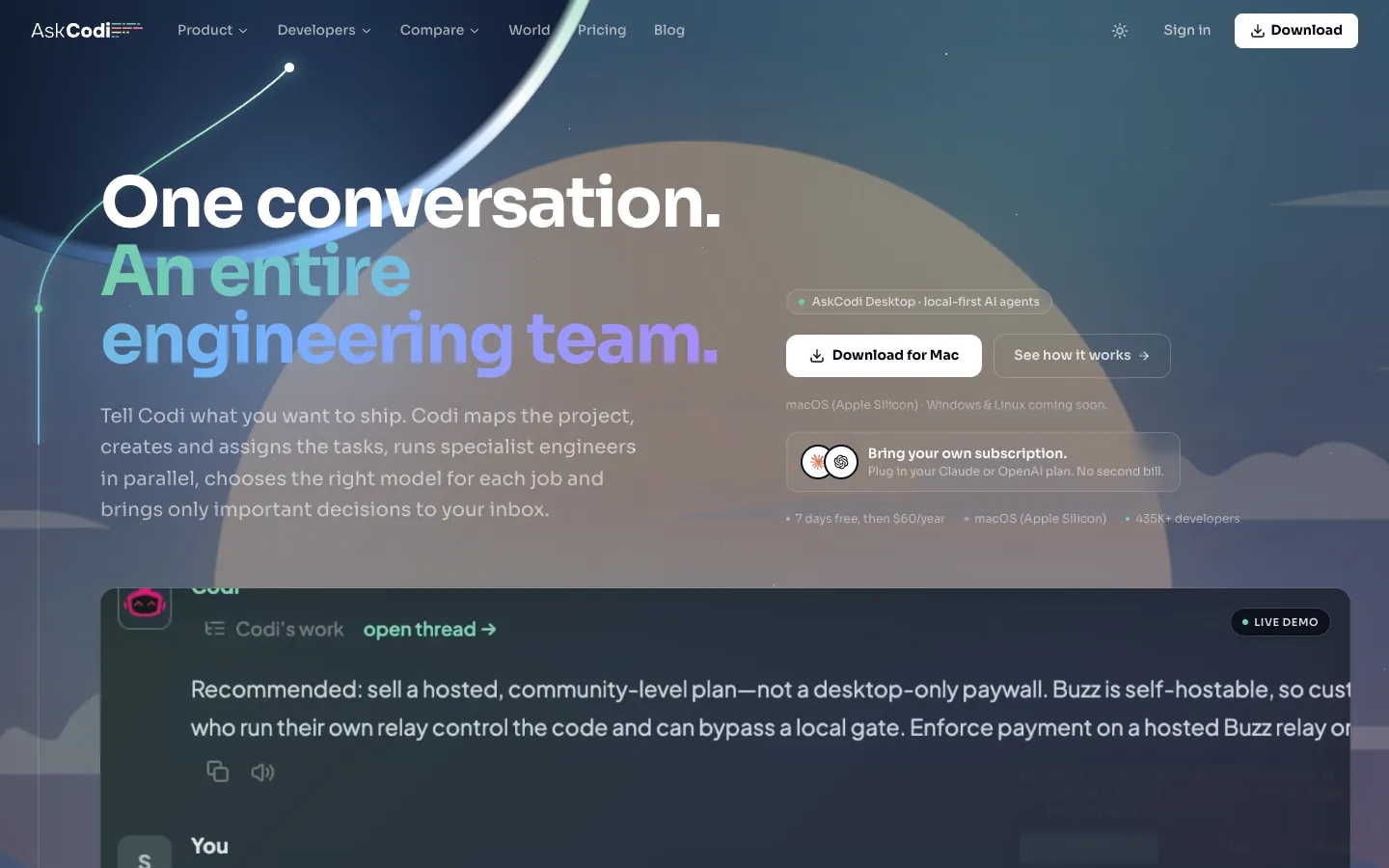
AskCodi is an AI-powered engineering team that plans, assigns, and reviews coding tasks. It is designed for developers who want to delegate project delivery to AI agents.

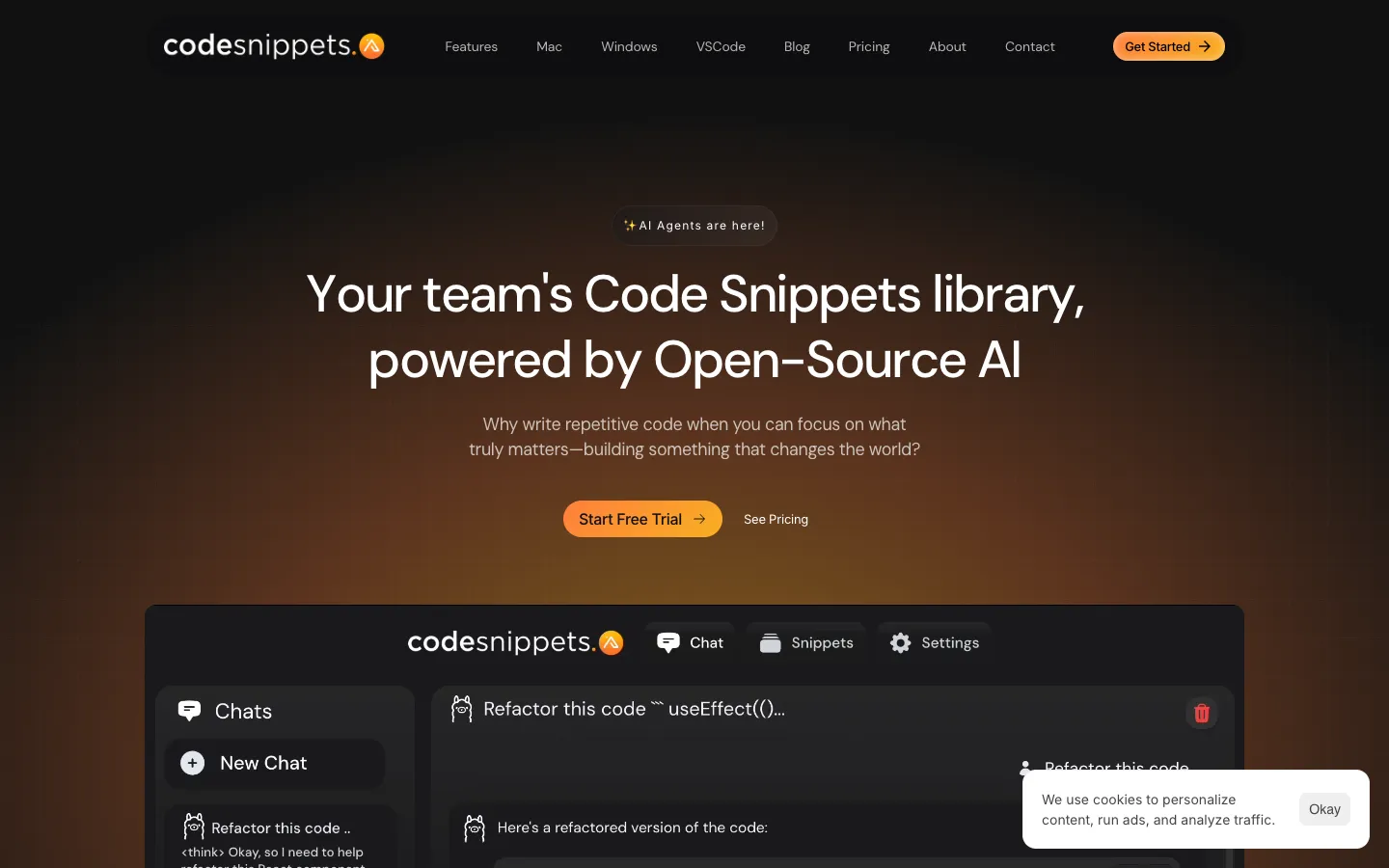
Code Snippets AI is a code snippet management tool that integrates AI chat with a secure library. It helps developers build features, fix bugs, and understand codebases using open and closed-source LLMs.

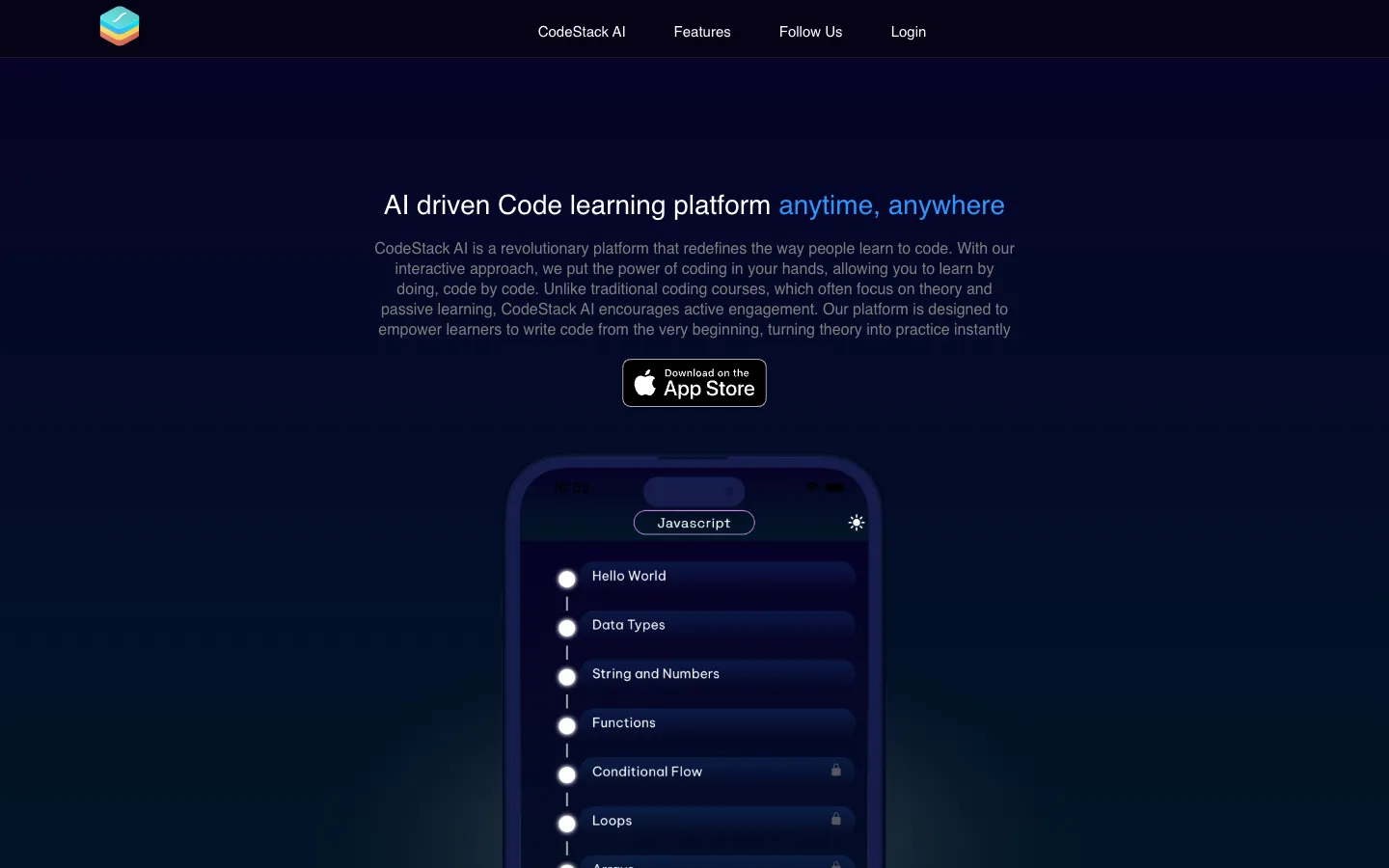
CodeStack AI is an AI-driven platform for learning to code on mobile devices. It provides interactive, step-by-step guidance and instant feedback to help learners write code from the beginning.

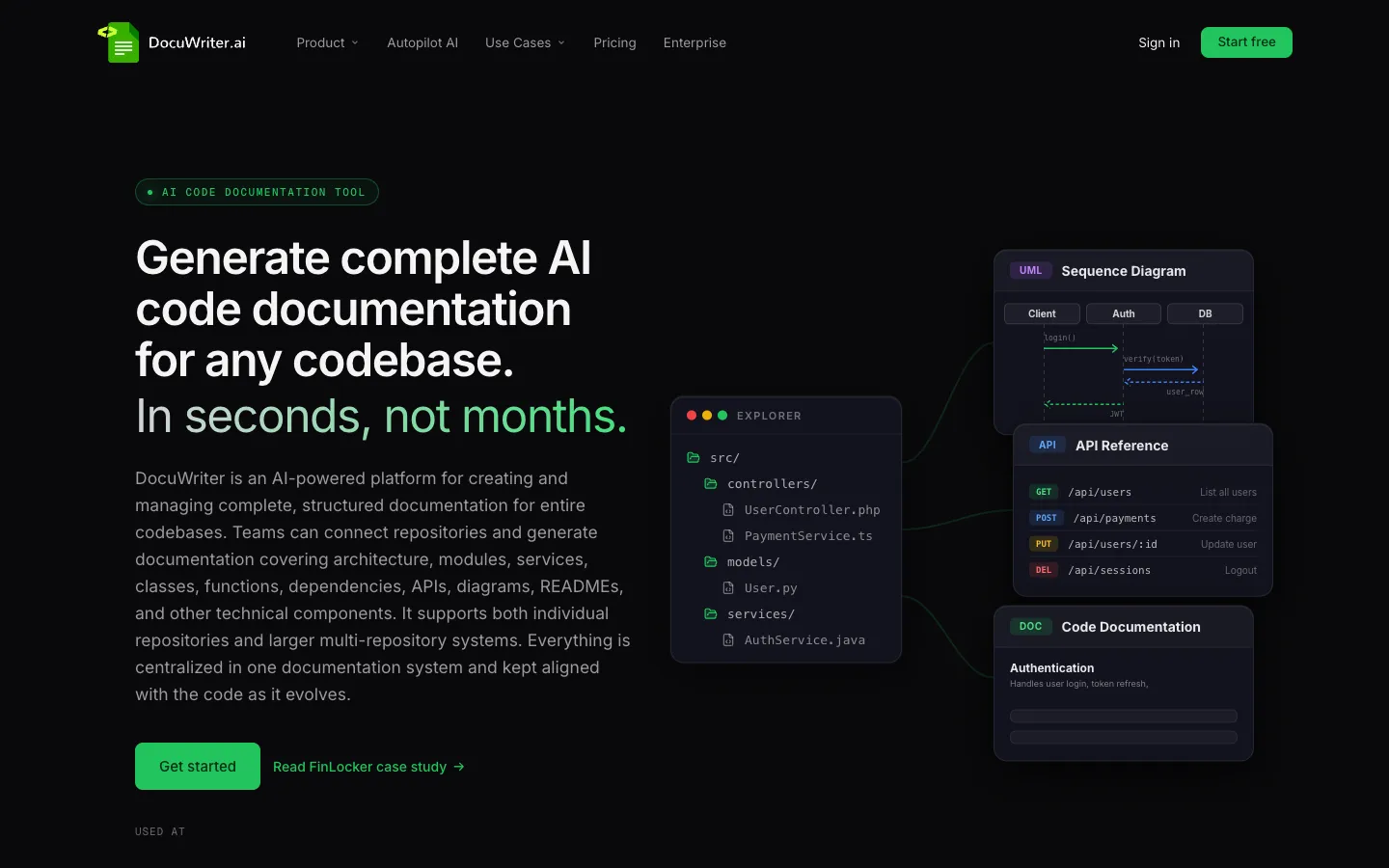
DocuWriter.ai is an AI-powered platform that generates and maintains structured documentation for entire codebases. It is designed for engineering teams that need to document existing code, onboard new engineers, or prepare for audits and handoffs.


Cradle is an AI-powered protein engineering platform that helps scientists generate and optimize protein candidates. It is designed for biopharma and industrial bio R&D teams to accelerate development timelines.