Web app
LocalizeBot
LocalizeBot is a macOS app that translates XLIFF and XCLOC files for iOS app localization. It supports AI translation via OpenAI or Google Cloud and integrates with Xcode workflows.
- Platform
- Web app
- Categories
- AI App Builder, Translate, AI Website Builder, AI Developer Tools
- Indexed
- 2024-02-19
About LocalizeBot
What is LocalizeBot
LocalizeBot is a macOS application designed to simplify the localization of iOS apps. It allows developers to translate their app's strings by dragging and dropping XLIFF or XCLOC files into the app. With a single click, it translates all files using either OpenAI or Google Cloud Translation services. The app is available for macOS 13.0 or higher and aims to help developers reach more users by making localization effortless.
Key features
LocalizeBot supports XLIFF and XCLOC file formats, which integrate seamlessly with the standard Xcode workflow. It includes Apple Glossaries to automatically translate common UI texts like 'OK', 'Save', 'Cancel', and 'Done' using Apple's own translations, ensuring consistency with the system. Additionally, it provides better translation with context by allowing you to add a brief description of your app, and it takes comments into consideration when performing translations.
Use cases
LocalizeBot is ideal for iOS developers who need to localize their apps quickly and efficiently. It is particularly useful for those who want to leverage AI translation services without manual intervention. The app's support for XCLOC files makes it suitable for projects using Xcode's localization workflow. By using Apple Glossaries, it ensures that common UI elements match the system language, which is beneficial for apps that aim for a native feel across different languages.
Pricing
The page does not provide specific pricing information. It only mentions that LocalizeBot can be downloaded for macOS 13.0 or higher. For detailed pricing, users are encouraged to visit the official website.
Questions
LocalizeBot FAQ
- What is LocalizeBot?
- LocalizeBot is an AI tool available as a web app in the AI App Builder, Translate, AI Website Builder categories. LocalizeBot is a macOS app that translates XLIFF and XCLOC files for iOS app localization. It supports AI translation via OpenAI or Google Cloud and integrates with Xcode workflows.
- What is LocalizeBot used for?
- LocalizeBot is filed under AI App Builder, Translate, AI Website Builder, AI Developer Tools in the AITOOLIST index. LocalizeBot is a macOS app that translates XLIFF and XCLOC files for iOS app localization. It supports AI translation via OpenAI or Google Cloud and integrates with Xcode workflows.
- Is LocalizeBot a web app, an extension or a native app?
- LocalizeBot is a web app.
Listed in the AITOOLIST index since 2024-02-19.
Related
Tools similar to LocalizeBot

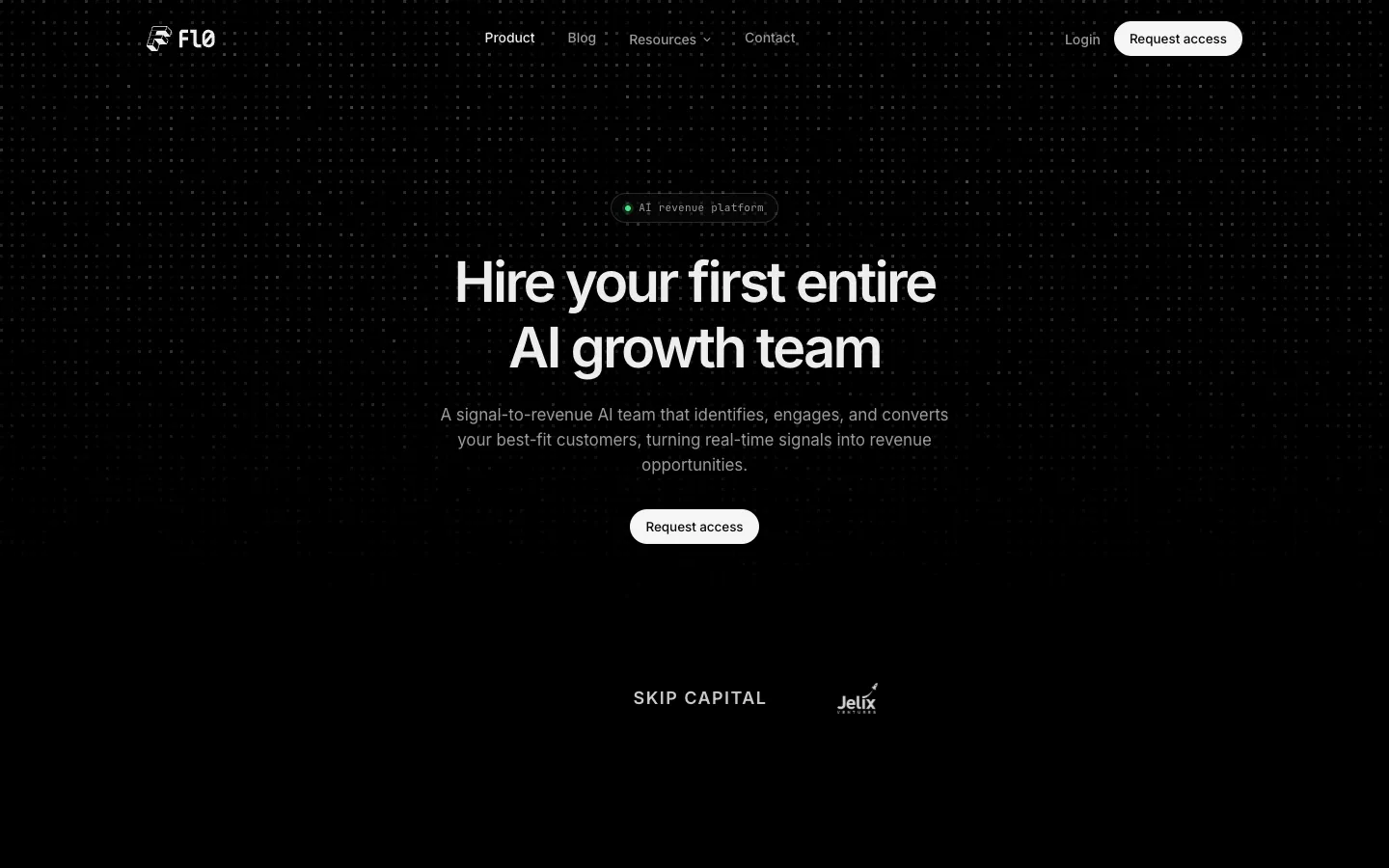
FL0 is an AI revenue platform that identifies, engages, and converts high-intent prospects by turning real-time buyer intent signals into revenue opportunities. It is designed for B2B sales and marketing teams seeking to accelerate outbound efforts.
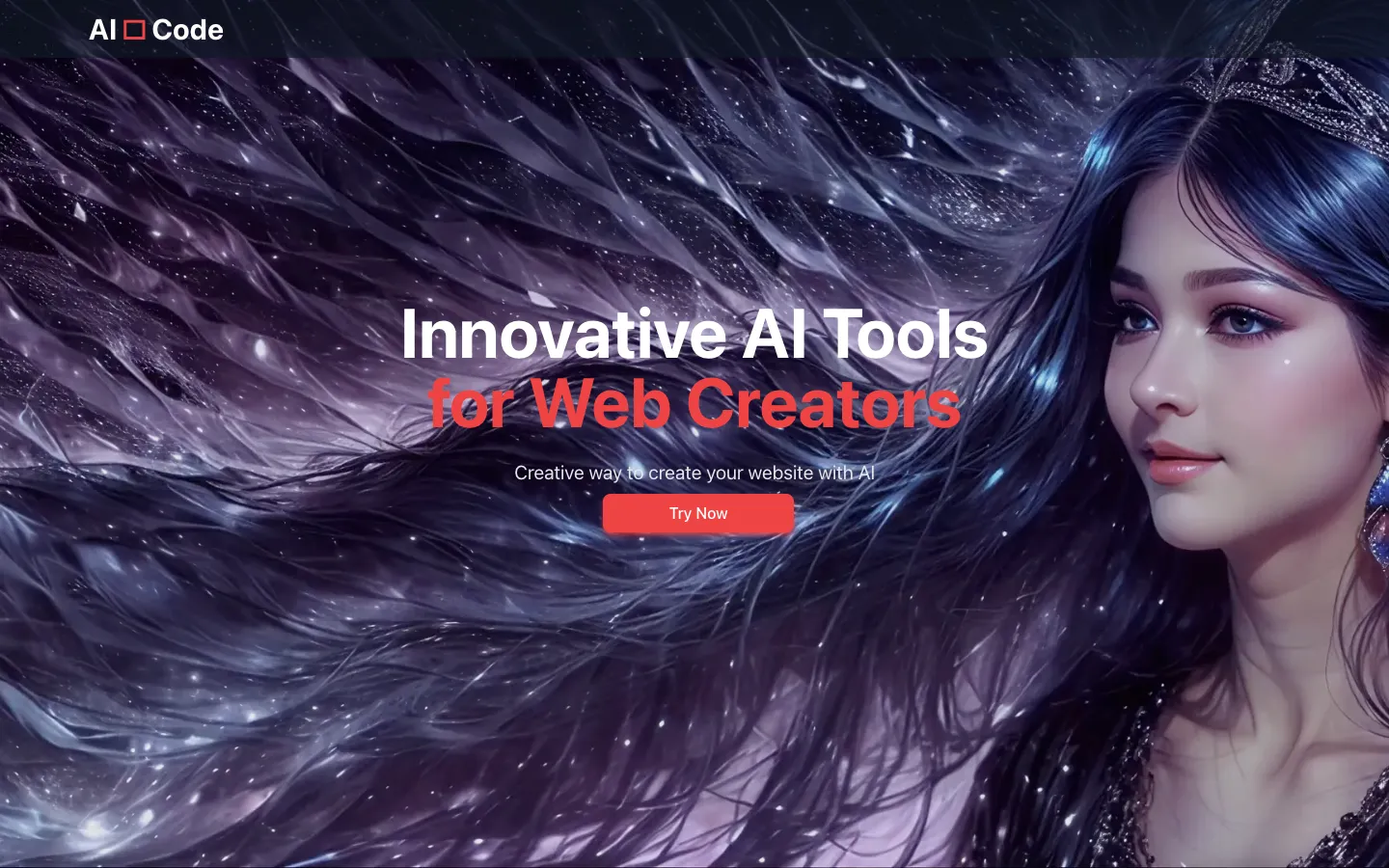
AI Love Code is an AI-powered website generator that creates responsive websites with source code. It is designed for web creators, beginners, and no-code enthusiasts.

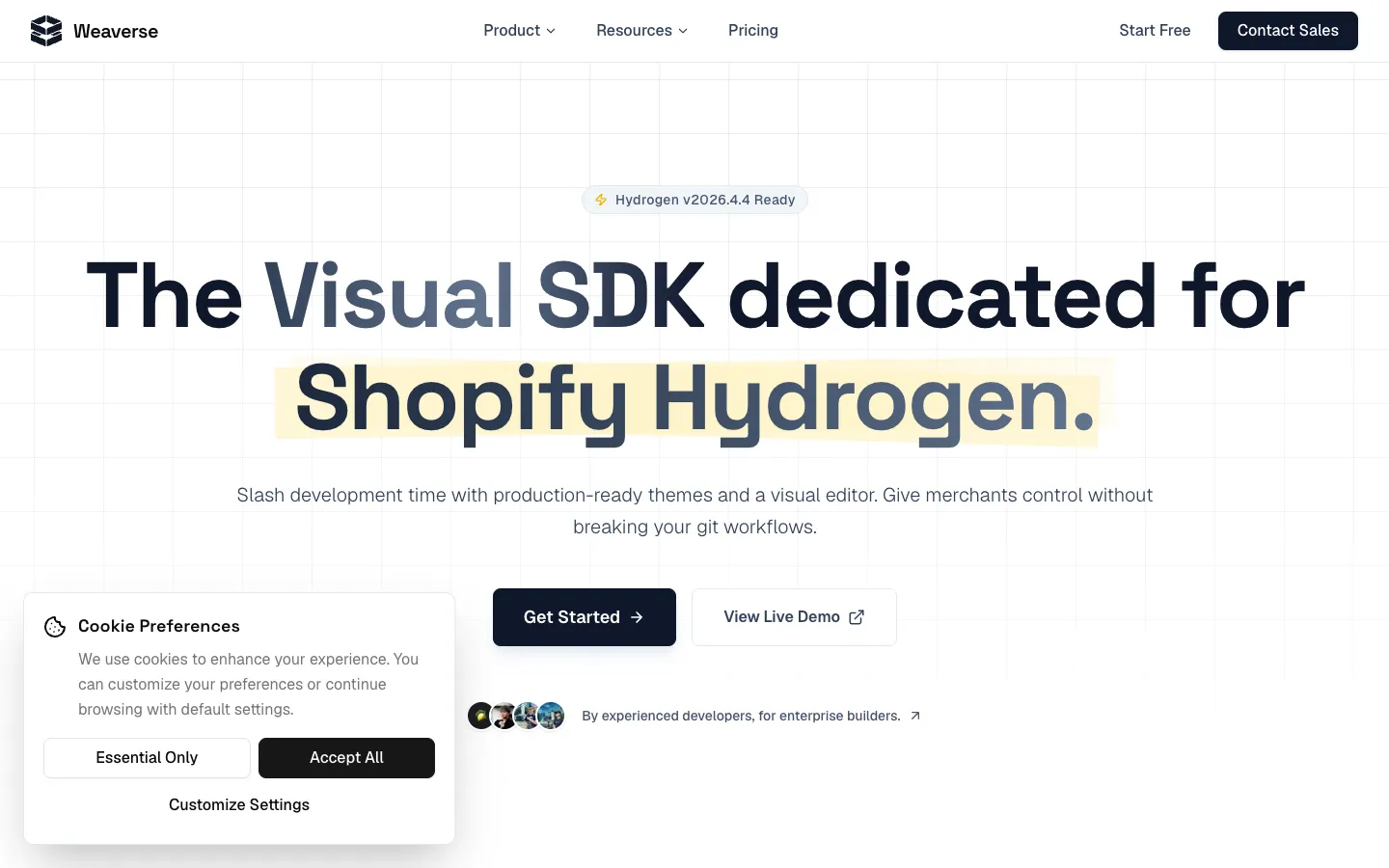
Weaverse is an AI-powered visual page builder for Shopify Hydrogen themes. It enables developers and merchants to create headless ecommerce storefronts with React components and AI automation.


789WIN is an online casino platform offering a variety of games including slots, table games, sports betting, and live casino. It targets Vietnamese players with a welcome bonus and 24/7 customer support.
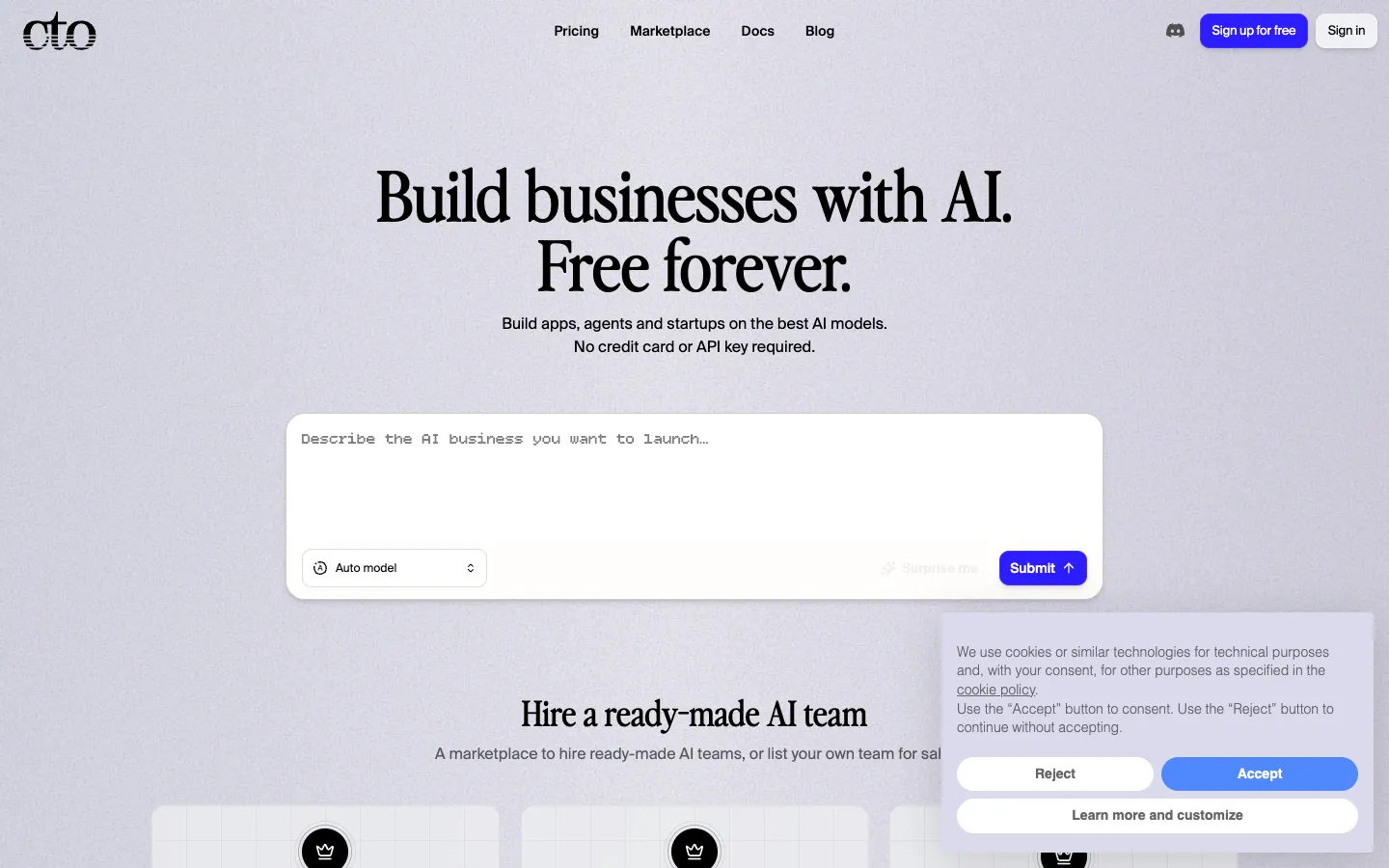
Backengine is a platform for building apps, agents, and startups using AI models. It offers a marketplace for ready-made AI teams and is free to use, with no credit card or API key required.

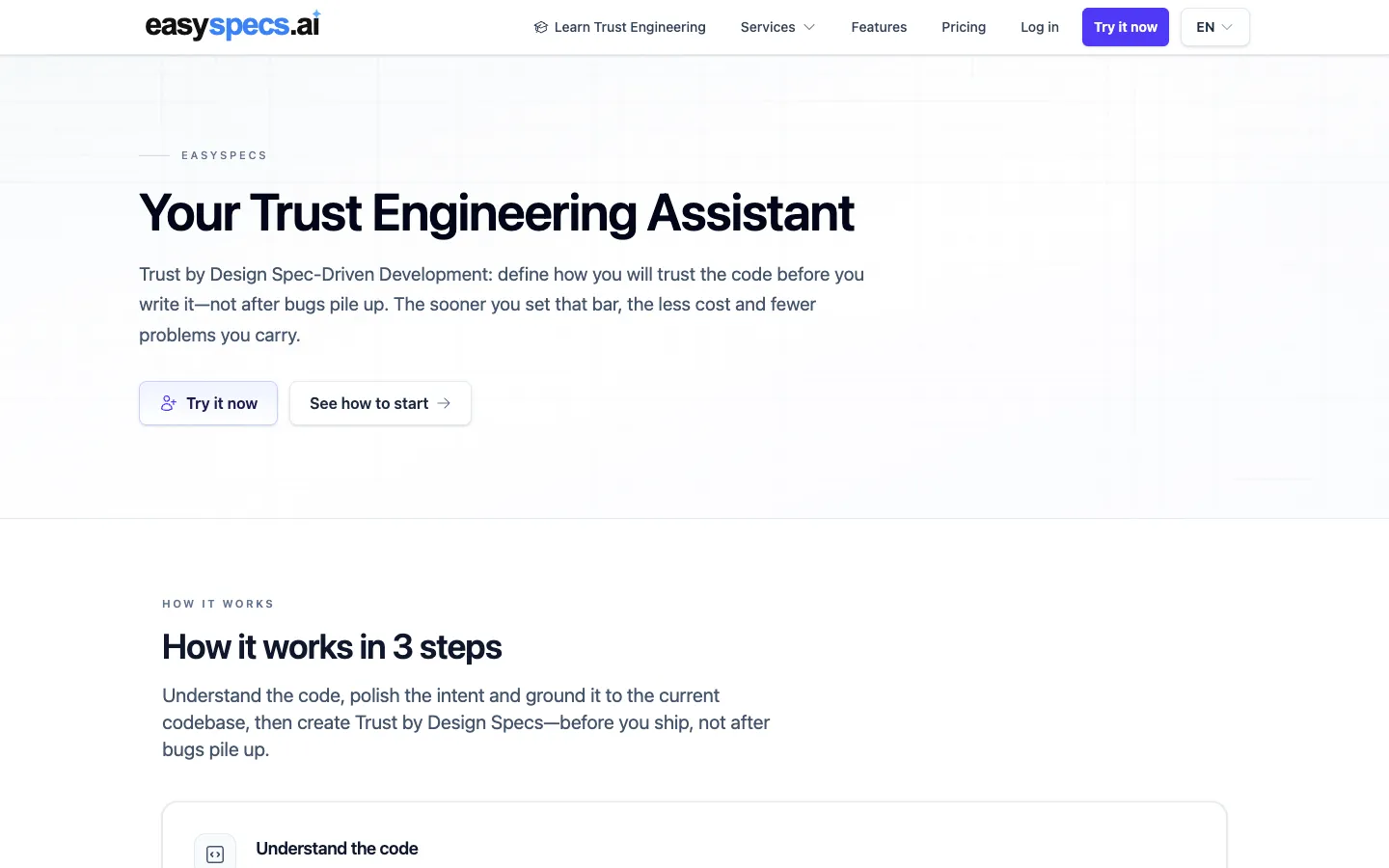
EasySpecs is a Trust Engineering Assistant that generates functional documentation and Trust by Design Specs for AI development teams. It helps product owners and developers ground change requests in the real codebase and define validators before code generation.